

What Is Periodontitis?
Periodontitis is a condition where the gums become infected and inflamed. A buildup of bacteria causes it. These bacteria are found in dental plaque and in hardened plaque, called calculus or tartar.
Initially, the bacteria infect and inflame your gums, but before long, the infection spreads to your jawbone and the periodontal ligaments that hold your teeth in their sockets. At this point, there is a real risk that these structures will be destroyed, leading to tooth loss and potentially affecting overall health.
As the disease worsens, gaps between your teeth and gums form, called periodontal pockets. These spaces can become quite deep and difficult to keep clean, creating the perfect conditions for the bacteria that cause periodontitis to thrive.
Periodontitis vs Gingivitis
Gingivitis is the earliest form of gum disease, at which stage there are few, if any, symptoms as the infection is only confined to gum tissue and hasn’t yet begun to spread to other structures around your teeth. You may notice your gums look slightly red or bleed a bit when you brush and floss. Sometimes there aren’t any symptoms.
Periodontitis is a more advanced form of gum disease, at which stage you will likely notice some unpleasant symptoms beginning to develop. This is because the infection has spread from the gums into your jawbone and periodontal ligaments.
Early Detection is Key
It’s impossible to overstate the importance of early detection. When we can diagnose and treat periodontitis earlier, the chances of avoiding permanent damage to your teeth, gums, and jawbones are far greater. Treatment is likely to be quicker, less invasive, and less expensive.
Periodontitis Symptoms
Various symptoms can indicate you have periodontitis, including:
- Bleeding gums.
- Swollen, red gums, and they may feel tender if you touch them.
- An unpleasant taste.
- Persistent bad breath.
- Gum recession so your teeth may start to look longer, and you may even start to see tooth roots appear.
- Tooth sensitivity increases as gum recession occurs, because your tooth roots are not protected by enamel, so any sensations more easily reach the tooth nerve.
- Visible pockets between your teeth and gums.
- Changes to your bite can occur when teeth start to loosen.
- Pus builds up around teeth.
Recognizing these symptoms early can help prevent periodontitis from progressing and causing further damage to your gums and the supporting structures of your teeth. If you notice any of these signs, schedule an appointment with Dental Pearl in North Miami Beach, FL, for an evaluation and appropriate treatment recommendations.
What Can Cause Periodontitis?
The major cause of periodontitis is poor oral care. When you brush and floss regularly, it helps remove dental plaque before it hardens into calculus (tartar).
This is important because plaque contains those harmful bacteria, and it only takes a day or two for it to harden into calculus. When you have calculus buildup, it makes it easier for more plaque to adhere to your tooth surfaces. Calculus can only be removed during a professional dental cleaning.
The bacteria in plaque and calculus produce toxins that infect and inflame the gums. Without prompt treatment, the infection soon reaches the jawbone and periodontal ligaments.
Risk Factors for Periodontitis?
While poor oral care is a major reason why periodontitis develops, other conditions can increase the risk of this condition, including:
- Medical issues that affect the immune system, making it more difficult to fight infection.
- Hormonal changes during puberty, pregnancy, and menopause.
- Smoking or using any tobacco products, or vaping.
- Not visiting a dentist regularly for dental exams and hygiene appointments.
- Having a family history of periodontitis.
- Poor nutrition makes it harder to fight infection.
- Aging dental work or misaligned teeth can make it harder to maintain good oral hygiene.
- Medications that affect saliva production increase the risk of dry mouth.
Your risk of developing periodontitis can increase as you get older, but the right dental care can greatly reduce this risk.
How Can Periodontitis Impact Overall Health?
Periodontitis has been linked to serious health conditions, including:
- Respiratory illnesses.
- Diabetes
- Heart disease.
- Dementia.
- Pregnancy complications.
The exact link between periodontitis and overall health isn’t fully understood yet, but it’s thought that the inflammation caused by periodontitis can trigger inflammation at other sites around the body. This is because once your gums begin to bleed, the bacteria that cause inflammation can enter your bloodstream.
Looking after your oral health is essential for protecting your overall health. Conversely, fully controlling conditions like diabetes can negatively impact oral health and increase the risk of developing gum disease.
Periodontitis Diagnosis
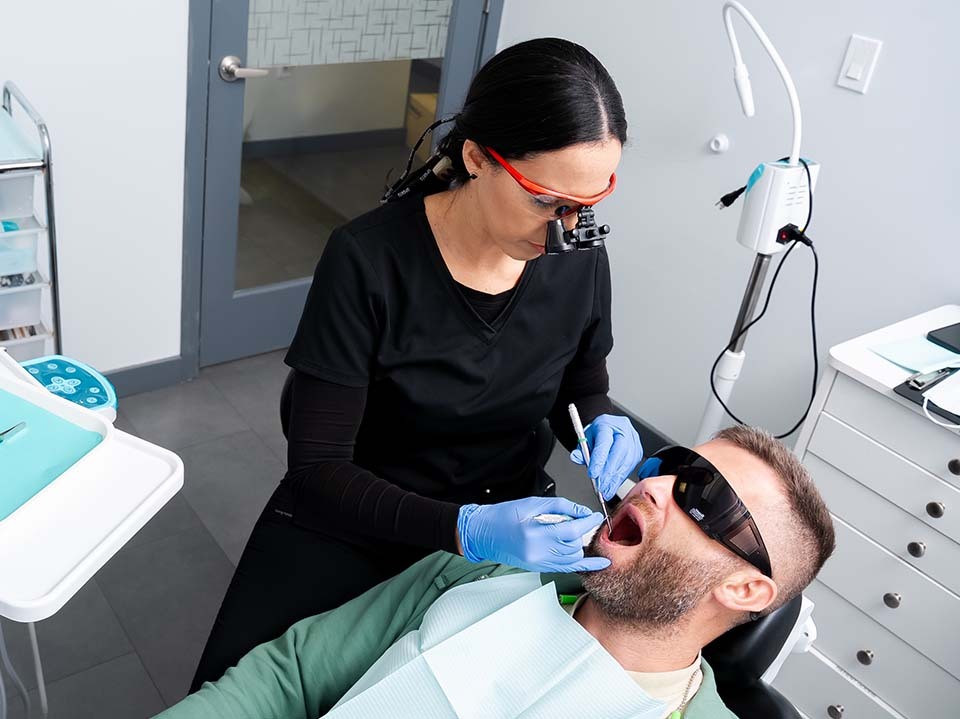
Diagnosing periodontitis is straightforward, and we always check for signs during your regular dental exams and hygiene appointments. During these visits, we use a periodontal probe that is gently inserted between each tooth and the gum to measure the depth of the periodontal pocket, the gap between each tooth and the gum.
Measuring the pocket depth provides us with an excellent idea of your gum health, as pockets deeper than 3 mm can indicate signs of inflammation and infection. These measurements are recorded at every visit so they can be compared regularly to monitor any changes.
X-rays allow us to evaluate bone levels around your teeth and to assess if any bone has been destroyed by periodontitis.
Treatment Options for Periodontitis
Several treatments are available for periodontitis, and your plan will likely include scaling and root planing.
Scaling and Root Planing
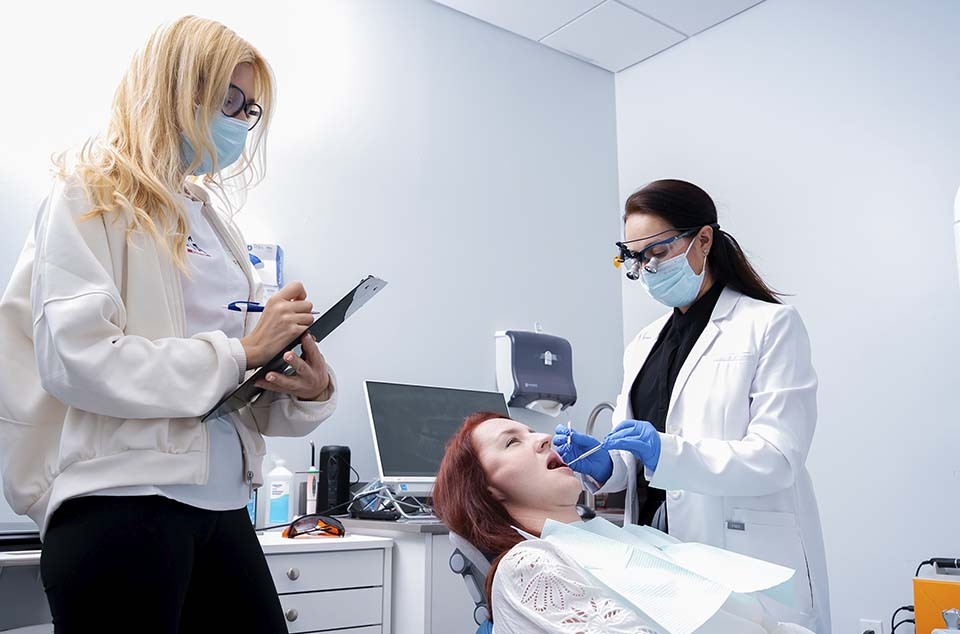
Scaling and root planing is a deep dental cleaning designed to remove the plaque and tartar from the periodontal pockets created by this disease. It helps to eliminate harmful bacteria and may be used in conjunction with antibiotic therapy.
Antibiotics
Antibiotics may be prescribed to be taken orally or placed topically into the periodontal pockets after cleaning. These help further eliminate or control harmful bacterial levels.
Laser Therapy
Laser therapy can also help sterilize treated areas and is a very gentle, non-invasive procedure.
Surgical Treatments
Surgical treatment may be required for severe periodontal disease. If bone loss is present, we may suggest bone grafting to replace it and to help stabilize teeth loosened by periodontitis.
Can Periodontitis Be Cured?
Gingivitis is curable, but advanced periodontal disease can be chronic. If this is the case, we can provide a suitable treatment plan to manage the condition, but we may not be able to eliminate it.
The plan will likely include regular deep dental cleanings and customized recommendations for caring for your teeth and gums at home.
Our hygienist can work with you to ensure you use the best brushing and flossing techniques. We can also provide guidance on using an antibacterial mouthwash and discuss other strategies to help maintain optimal gum health.
Prevention of Periodontitis
Professional preventive dentistry combined with meticulous oral care at home is the best way to keep your gums strong, healthy, and infection-free.
Dental Pearl can help you by providing a custom preventive dental care plan based on your oral and overall health. This plan is regularly updated to accommodate changes, such as developing medical conditions or new medications.
Regular dental checkups and routine hygiene appointments can help prevent this disease. Maintaining a good oral care routine at home is essential, and we urge you to contact us if you notice any symptoms, such as bleeding gums.
Periodontitis can lead to tooth loss if untreated, but early care protects your smile. At Dental Pearl Miami in North Miami Beach, FL, we provide effective treatments to restore gum health. Book a dental appointment today.
Dental Pearl Miami14771 Biscayne Blvd.,
North Miami Beach, FL 33181
(305) 816-6620
Updated on by Dr. Ella Dekhtyar, DDS (Cosmetic & Family Dentist) of Dental Pearl Miami