

What Is Gingivitis?
Gingivitis develops when your gums initially become inflamed and infected. It is due to plaque buildup on your tooth surfaces.
Dental plaque harbors bacteria that produce toxins, which can cause inflammation in your gums. Consequently, gums are more likely to bleed, especially when you brush and floss, and they may become swollen and red rather than a healthy pink.
Symptoms of Gingivitis
The early symptoms of gingivitis are quite subtle, which is why it’s so easy to ignore this condition initially. Potential symptoms can include:
- Swollen, red gums.
- Gum tissue that is increasingly fragile and more likely to bleed.
- Bad breath.
- Increasing sensitivity to temperature changes in foods and beverages.
- Gum recession.
Recognizing the symptoms of gingivitis early can help prevent the inflammation from progressing and protect your gum health. If you notice red, swollen, or bleeding gums, persistent bad breath, or increased tooth sensitivity, the team at Dental Pearl in North Miami Beach, FL, can evaluate your symptoms and recommend appropriate treatment to keep your gums healthy.
What Causes Gingivitis?
The primary reason most people develop gingivitis is poor oral care. Improper or infrequent brushing and flossing allow dental plaque to build up on your teeth and gums. It only takes a couple of days for plaque to harden into calculus or tartar.
The bacteria in plaque and tartar produce the toxins that will continue to infect and inflame your gums, gradually worsening symptoms.
Certain factors can also increase the risk of developing gum disease, including:
- Diabetes or other medical conditions affecting the immune system, making it harder to fight disease.
- Using tobacco products or vaping.
- Misaligned teeth that are tightly packed in and more difficult to brush and floss thoroughly.
- Having close family members with gum disease, which can be a genetic issue or down to poor oral care routines passed from one family member to another.
Understanding the causes of gingivitis can help you take steps to reduce your risk and protect your gums. Maintaining a consistent oral hygiene routine and addressing risk factors, such as tobacco use or diabetes, can help prevent plaque buildup and gum inflammation. If you are concerned about your gum health, Dental Pearl in North Miami Beach, FL, can assess your condition and recommend appropriate care.
Hormone-Related Gum Disease
Hormonal changes that occur during puberty, pregnancy, and menopause can also increase the risk of gum disease. This is because hormonal changes make the gums more sensitive to plaque bacteria, increasing the likelihood that they will become inflamed and start to bleed.
Pregnancy Gingivitis
Pregnancy gingivitis is a particular issue that can develop as estrogen and progesterone levels increase. If you are pregnant or are considering adding to your family, it’s vital to schedule regular dental checkups.
During these checks, we can assess your gum health to determine if you have any signs of pregnancy gingivitis and can provide suitable treatment to control this condition.
Treating Pregnancy Gingivitis
Pregnancy gingivitis treatment usually involves more frequent hygiene appointments to remove plaque and tartar buildup, as reducing bacterial numbers helps your body fight the infection more easily. Once your baby is born, the symptoms should disappear.
We can also provide valuable information on how to prevent pregnancy gingivitis and maintain good oral health while pregnant.
If you have more advanced gum disease, it’s especially important to see our dentist regularly. Advanced periodontitis has been linked to low birthweight babies and premature birth. Pregnancy can enable advanced periodontitis to worsen, and we can take steps to help prevent this from happening.
Why Gingivitis Shouldn’t Be Ignored
Gingivitis is reversible, but you need to act quickly to prevent it from worsening.
Without treatment, it will progress to periodontitis, with the potential for gum recession and bone destruction around your teeth. These factors can destabilize your teeth and eventually cause tooth loss, and advanced periodontitis can also affect overall health.
Looking after your dental health helps protect your general health, and can help to reduce dental and medical bills.
How Is Gingivitis Diagnosed?
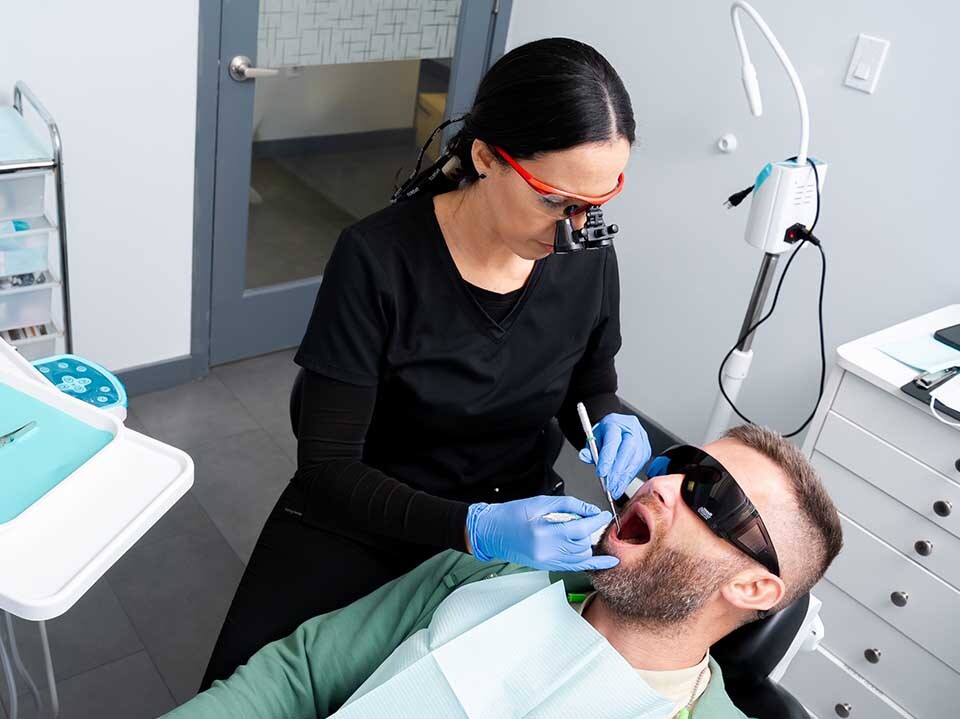
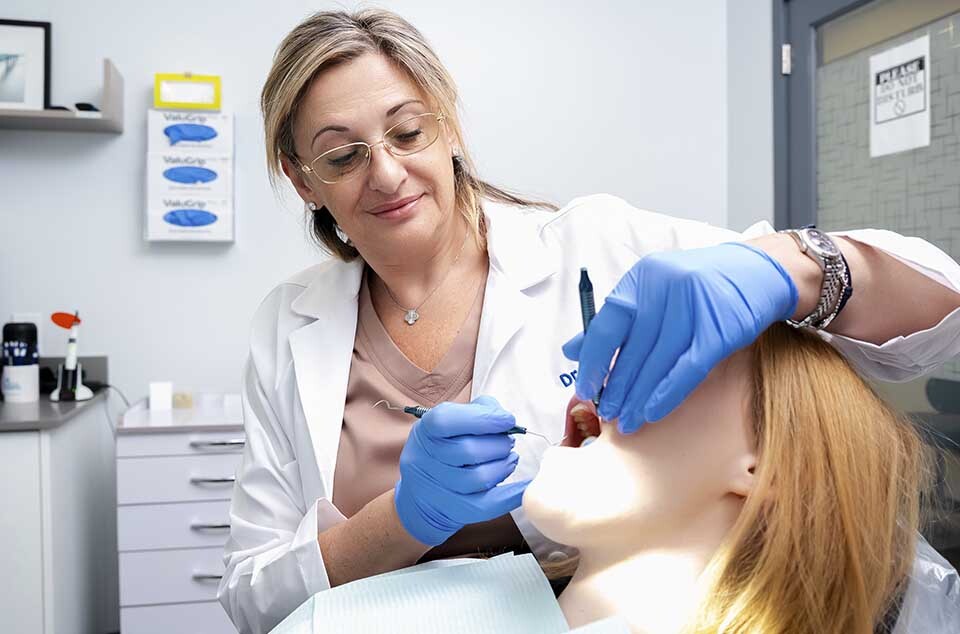
Gingivitis is diagnosed during a standard dental exam. When you visit Dental Pearl, our dentist will visually examine your gums for any signs of inflammation, swelling, and tenderness, and check whether they bleed when.
Detailed gum measurements are taken at every visit, measuring the depth between each tooth and the gum. These pocket depths should not exceed 3 mm, and any deeper pockets may indicate gingivitis or more severe gum disease.
If we do diagnose gingivitis, it is usually easy to treat.
Treating Gingivitis
There are several possible treatments, which are:
- Professional dental cleaning.
- Deep dental cleaning.
- Antibacterial mouth rinse.
- Oral care education.
- Professional Dental Cleaning
Everyone needs to have their teeth professionally cleaned regularly, and it is one of the easiest ways to maintain good gum health. During this treatment, our hygienist carefully cleans all surfaces, removing plaque and tartar buildup and eliminating the bacteria that cause gingivitis.
- Deep Dental Cleaning
A deep dental cleaning may be advised if the infection is more severe and has begun to cause gum recession. During a deep dental cleaning, your teeth are cleaned professionally.
We also clean any exposed tooth roots before smoothing them. This is because it is easier for your gums to reattach afterward and harder for more plaque bacteria to stick to the smooth surfaces.
- Antibacterial Mouth Rinse
We may prescribe an antibacterial mouth rinse for home use or recommend a suitable over-the-counter brand. These are designed to be used after brushing and help eliminate harmful bacteria.
- Oral Care Education
Dental education is an important part of our practice, and we have plenty of useful information to share, particularly on effective brushing and flossing.
Many people continue brushing and flossing using the same techniques they learned as children and fail to pay attention when they clean their teeth. Consequently, it’s easy to miss out certain areas.
Our hygienist can show you how to brush and floss more effectively, using the best and latest techniques and tools. We can also discuss other strategies for good gum health, such as eating a balanced diet and avoiding or quitting smoking.
Preventing Gingivitis
Gingivitis is a preventable condition. We always review your dental and medical history at every visit and ask whether there have been any changes we need to know about. These help us assess your risk of dental diseases, including gingivitis, and provide a custom preventive dental care plan.
By working together, we can help you devise an excellent, easy, and quick daily oral care routine. When combined with regular dental exams and hygiene appointments, it should be enough to keep your gums healthy and strong.
Gingivitis is an early form of gum disease that can be reversed with proper care. At Dental Pearl Miami in North Miami Beach, FL, we offer gentle, effective treatment to restore gum health and prevent progression. Schedule your visit today to protect your smile.
Dental Pearl Miami14771 Biscayne Blvd.,
North Miami Beach, FL 33181
(305) 816-6620
Updated on by Dr. Ella Dekhtyar, DDS (Cosmetic & Family Dentist) of Dental Pearl Miami