


What Is an Oral Cancer Screening?
A mouth cancer examination is a detailed visual exam of your mouth and neck. We closely examine all the soft tissues in your mouth, including your lips, gums, tongue, underneath your tongue, inside your cheeks, and the roof of your mouth.
During oral cancer screenings, we also check the lymph glands in your neck for any other lumps and bumps by gently feeling around your jaw.
Why Is It Important to Have a Screening Test for Oral Cancer Regularly?
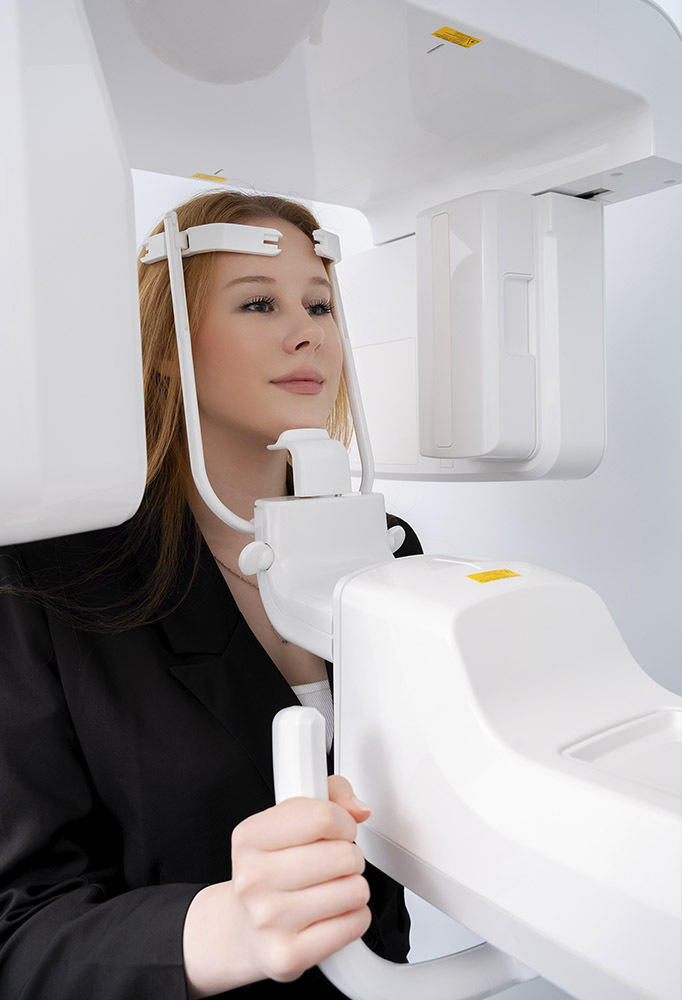
Like so many cancers, the early stages of oral cancer can cause few, if any, symptoms.
As a result, oral cancer is often diagnosed when it is more advanced and requires more invasive treatment, by which time the long-term survival rate may be lower.
Likely, the only medically qualified professional who regularly examines the inside of your mouth is your dentist. Every dentist is specifically trained to detect early symptoms.
Your regular dental exam is the ideal opportunity to take advantage of this screening, as early diagnosis can greatly affect the type and potential long-term success of treatment provided.
Who Should Have Regular Oral Cancer Screenings?
We can begin providing regular oral cancer screenings from age 18 onward. Some people may have this test annually, while others may benefit from more frequent screenings. It depends on your individual risk level.
Risk factors for oral cancer can include:
- Excessive exposure to the sun, particularly during childhood.
- Smoking or using tobacco products.
- A family history of cancer.
- Exposure to the human papillomavirus.
Even if you don’t have any of these risk factors, it’s still important to have regular screenings. Around 25% of oral cancer is diagnosed in people with no obvious risk factors.
Regular reviews of your oral and medical health allow us to determine how often to provide this important screening as part of your preventive dental care plan.
Signs We Look out for during Your Oral Cancer Screening
There are various signs we look out for during your mouth cancer examination, which include:
- Sore spots or ulcers that are failing to heal properly.
- Changes to the textures of your oral tissues, for example, any rough patches.
- Changes to the color of oral tissues, for example, areas that look red or white.
- Lumps and swellings.
We will also ask you whether you have noticed any symptoms, such as unexplained tenderness, difficulty opening your jaw, difficulty swallowing food comfortably, or changes in the sound of your voice.
What Happens during an Oral Cancer Screening?
Your oral cancer screening is quick, typically taking just a few minutes to complete.
- Visual Examination
Our dentist will visually examine your mouth. A visual examination is the gold standard screening test for oral cancer and is extremely thorough. We may also use a special fluorescent light, as any areas of concern will fluoresce slightly differently from healthy tissues.
- Palpitation
Using fingertips, our dentist will carefully check around your jawline. They are checking your neck lymph glands for any nodules or lumps that shouldn’t be there. If you feel any discomfort or tenderness, please let us know.
What Happens If Anything Is Discovered?
If we discover any changes that we think you need further investigation, we will discuss our findings with you after your exam.
Finding abnormalities doesn’t automatically mean they are precancerous or cancerous, as many other factors can cause tissue changes. However, it’s important to rule out this possibility and to identify what’s causing them.
Usually, this means taking a small sample of the area of concern, which can be sent to a pathologist. They will then examine it under a microscope and, if necessary, refer you to a specialist.
There are two ways of taking a cell sample. The first is to use a small brush to gently wipe over the area, collecting some cells. Alternatively, we may remove a small tissue sample for detailed analysis.
We may also take intraoral digital images of any areas of concern and send them to specialists for a second opinion.
Benefits of Regular Oral Cancer Screenings
An oral cancer screening is nothing to be scared of, as it is very quick to complete, and the benefits can include:
- Early detection of any precancerous or cancerous changes.
- Peace of mind.
- Detecting a variety of oral tissue abnormalities early.
At-Home Awareness Tips
There is no substitute for having a professional screening test for oral cancer, but it is useful to get into the habit of checking your mouth between visits. When you check your mouth regularly, you see how healthy tissue should look and feel, so that if anything changes, you can act quickly.
Below are some tips to follow at home.
- Find a mirror with good lighting and use a clean finger to put away your lips and check your gums, and do the same for the inside of your cheeks. You are looking for any discoloration, tender patches, lumps, or rough patches.
- Carefully stick out your tongue to check its color. Check the underside of your tongue by touching the tip to the roof of your mouth.
- Tilt your head backwards so you can look at the roof of your mouth, checking for discolouration or ulcers.
- Gently feel around your jaw and neck area for lumps or tender spots.
Performing this simple self-test every month will soon help you recognize any changes. If you spot anything that concerns you, please don’t hesitate to contact us.
We are here to help you and look after your dental health, and we would much prefer you to voice any concerns early rather than worry in silence. Please call our office at (305) 816-6620 or visit our dentistry center in in North Miami Beach, FL.
Dental Pearl Miami14771 Biscayne Blvd.,
North Miami Beach, FL 33181
(305) 816-6620
Updated on by Dr. Ella Dekhtyar, DDS (Cosmetic & Family Dentist) of Dental Pearl Miami