


What Is a Single Tooth Implant?
A single tooth implant replaces a single tooth and has three separate components, which are:
- Implant screw.
- Implant abutment.
- Implant crown.
- Implant Screw
The implant screw is the part surgically inserted into your jawbone. It is a small screw usually made from medical-grade titanium or zirconia, a strong ceramic material, offering a metal-free solution.
- Implant Abutment
An implant abutment is attached to the screw and protrudes above the gum line. It acts as a connector and holds the implant crown.
- Implant Crown
A single tooth implant is restored with a crown that fits over the abutment. Most implant crowns are connected to the abutment via a small screw inserted through a hole in the crown.
The screw hole is filled with tooth-colored composite resin, so it cannot be seen. This method is often preferred to dental cement because it allows our implant dentist to remove the crown more easily for maintenance or cleaning, if required.
We can provide beautiful implant crowns made from the latest ceramic materials, which are lifelike and durable.
Advantages of Choosing a Single Tooth Implant
Choosing this option can provide several significant advantages, including:
- A replacement tooth that looks and feels natural.
- Maintaining your jawbone strength by preventing bone resorption after tooth loss.
- A long-term solution with the right aftercare.
- Natural teeth cannot shift out of position, which can occur if you leave a gap.
- There is no need to reshape adjacent teeth, which is the case if you have a tooth-supported bridge.
A single tooth implant can restore the appearance and function of a missing tooth while helping maintain your jawbone and the position of your natural teeth. It also avoids the need to reshape adjacent teeth. With proper care and regular dental visits, an implant can provide a long-term solution for replacing a missing tooth.
When Is a Single Tooth Implant Recommended?
A single tooth implant may be recommended when a tooth is missing or cannot be successfully restored. Replacing the tooth can help restore normal chewing function, maintain your smile, and prevent neighboring teeth from shifting into the empty space. Common situations include:
- Tooth loss due to trauma, such as a sports injury or accident.
- Severe tooth decay or infection when the tooth cannot be saved with restorative treatment.
- A failed root canal when retreatment is not a suitable option.
- A fractured or cracked tooth that is too damaged to restore.
- A congenitally missing tooth that never developed.
- Tooth loss following an extraction when a long-term replacement is needed.
- Advanced damage or bone loss around a tooth that makes preservation unsuccessful.
Your dentist will evaluate your gums, jawbone, overall oral health, and the condition of the surrounding teeth to determine whether a single tooth implant is an appropriate replacement option.
Understanding the Single Tooth Implant Procedure
Planning and placing a single-tooth implant is straightforward, and the process is broadly similar to any implant treatment.
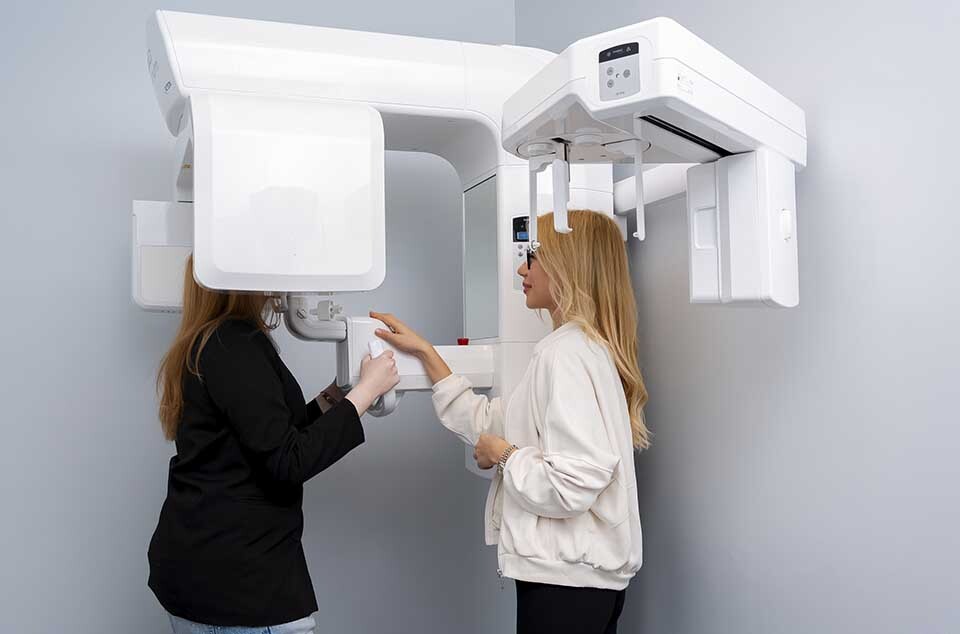
- Dental Exam, Diagnostics, and Consultation
Any dental implant treatment requires a thorough dental exam and a review of your dental and medical history to ensure it is appropriate for your needs. Diagnostics will include a cone beam CT scan, a 3-D scan of your teeth and jaws, and we may also wish to take digital dental X-rays and digital photos to plan your treatment thoroughly.
Everybody receives a unique treatment plan, and we will explain it to you in detail. It is based on your treatment goals and other factors, such as jawbone health. It also depends on the materials used for your dental implants and implant crown. Mini dental implants may also be considered in some cases, depending on your individual needs and available bone.
If you have a failing tooth, we can discuss the best approach to removing it and whether immediate implant placement is possible. With this approach, we remove the tooth and insert an implant simultaneously.
- Implant Surgery
Your implant surgery is planned using your cone beam CT scan, and we use a computer-generated surgical stent created from this plan. The stent is a template that fits over your gums, guiding our dentist and ensuring accurate, fast implant placement.
A single implant can be placed in as little as an hour, and you may be able to have surgery using just a local anesthetic. However, we want to ensure you feel comfortable and relaxed, so if you prefer, we can discuss sedation dentistry.
- Recovery After Implant Surgery
After the implant is placed, we may cover it and leave it to heal. Alternatively, we may attach a temporary tooth soon afterward. The choice depends on the tooth’s location and your preference, but you can rest assured that we will not leave an unsightly gap.
Before you leave Dental Pearl, we will ensure you know how to care for the surgery site and keep it clean. We will also provide general dietary advice and likely recommend avoiding biting or chewing on the implant during healing.
With a single dental implant, you can expect to experience little or no discomfort afterward. If you experience minor discomfort, over-the-counter pain relief should help.
- Osseointegration and Healing
It takes between three and six months for an implant to heal thoroughly, as osseointegration must occur. This is a process in which new bone is deposited on and around the implant screw, gradually fusing it to your jawbone so it cannot move and is strong enough to support your implant crown.
- Implant Crown Placement
This is the final part of your treatment, where you return to our dental office so our dentists can take a detailed impression of the implant. We then custom-design and make your beautiful new implant crown. For patients restoring a front tooth, extra attention is given to shade matching, translucency, and gum aesthetics to ensure the restoration blends perfectly with surrounding teeth. Once ready, it will be fitted onto your tooth and screwed in place permanently.
Caring for a Single Tooth Implant
Ongoing oral care is easy, but below are some simple tips to follow.
- Brush normally using a soft-bristle toothbrush and fluoride toothpaste.
- Floss daily or use a WaterPik or soft interdental brushes. Our hygienists can demonstrate how to use these tools.
- Avoid biting or chewing on very hard foods. If a food could damage a natural tooth, it could also damage your beautiful implant crown.
- If you clench and grind, wear a custom night guard to protect your teeth and your implant.
- Schedule regular dental exams and hygiene appointments where we can check the condition of your implant and clean around it professionally.
Caring for a single tooth implant is similar to caring for your natural teeth, with a few additional precautions. Good daily oral hygiene, avoiding excessive pressure on the implant, and regular dental exams and cleanings can help keep your implant and surrounding tissues healthy for years to come.
Patient Experience
What Happens If I Delay Replacing a Single Tooth?
If you lose just a single tooth, and if it is not particularly visible in your mouth, you may be inclined to leave a gap. We highly recommend that you don’t do this. Below are some reasons why.
- Neighboring teeth can shift out of position.
- Bite problems can occur.
- Jawbone loss can occur after a natural tooth root is removed.
Leaving a gap can lead to higher future costs and the need for more complex treatment. For example, bite problems can be tricky to correct later, and if you have jawbone loss, we may need to perform a bone grafting procedure before inserting your implant.
Ideally, if you are considering a single tooth implant, it’s better to have it sooner rather than delay your treatment.
Single Tooth Implant FAQs
How Long Does a Single Tooth Implant Take?
A single tooth implant can take several months from placement to the final crown. The implant needs time to fuse with the jawbone before the permanent crown can be attached. Your timeline will depend on your oral health, how you heal, and whether you need additional treatment such as bone grafting.
Is Getting a Single Tooth Implant Painful?
The procedure is performed under local anesthesia, so you should not feel pain while the implant is being placed. Some tenderness, swelling, or discomfort is normal after the procedure. Your dentist will provide aftercare instructions to help you manage these symptoms during recovery.
How Long Does a Single Tooth Implant Last?
A single tooth implant can last many years with good oral hygiene and regular dental checkups. It can provide a long-term way to replace a missing tooth. The implant itself is designed for long-term use, while the crown may eventually need repair or replacement because of normal wear.
Can I Get a Single Tooth Implant After a Tooth Extraction?
Sometimes an implant can be placed immediately after a tooth is removed. This is possible when the surrounding bone and tissues are healthy enough to support the implant. In other cases, you may need to allow the area to heal first or have a bone graft before placement. Your dentist can determine the right timing after an examination and dental imaging.
Do I Need a Bone Graft for a Single Tooth Implant?
Not necessarily. A bone graft is usually considered when there is not enough healthy bone to support the implant securely. Bone loss can occur when a tooth has been missing for an extended period. Dental imaging allows your dentist to assess the available bone and determine whether grafting is needed.
How Do I Care for a Single Tooth Implant?
Care for your implant much like you care for your natural teeth. Brush twice a day, clean between your teeth every day, and keep up with regular dental visits. Good oral hygiene helps keep the implant, surrounding gums, and supporting bone healthy.
Will a Single Tooth Implant Look Like a Natural Tooth?
Yes, a single tooth implant can be designed to blend in with your natural teeth. The implant is placed below the gum, and a custom-made crown is attached to restore the visible part of the tooth. The crown can be made to match the surrounding teeth in shape, size, and color.
What Happens If I Do Not Replace a Missing Tooth?
Leaving a missing tooth untreated can allow the surrounding teeth to shift and may lead to gradual bone loss in the area. Replacing the tooth with a single dental implant restores the missing tooth and can help maintain normal function and support for the surrounding oral structures.
Restore your smile with a single-tooth dental implant. Contact Dental Pearl Miami at (305) 816-6620 or visit our today to book your dental appointment!
Dental Pearl Miami14771 Biscayne Blvd.,
North Miami Beach, FL 33181
(305) 816-6620
Updated on by Dr. Ella Dekhtyar, DDS (Cosmetic & Family Dentist) of Dental Pearl Miami