

What Are Mini Dental Implants?
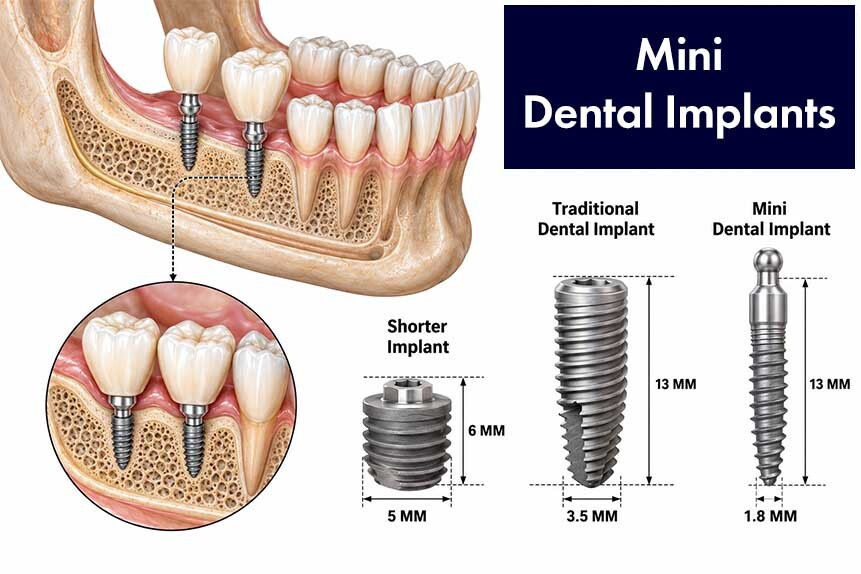
Mini dental implants are narrower versions of traditional dental implants. They consist of a small titanium post that is placed into the jawbone to provide support for a replacement tooth or denture. Because of their smaller size, they may be an option when there is limited space or bone available for a conventional implant.
Who Is a Candidate for Mini Dental Implants?
Depending on your needs, mini implants can be used to replace individual missing teeth or help keep removable dentures more secure.
You may be a candidate if you:
- Have one or more missing teeth
- Need additional support for loose or unstable dentures
- Have sufficient bone to secure a mini implant
- Have healthy gums or gum disease that has been treated
- Are in generally good health and able to heal after implant surgery
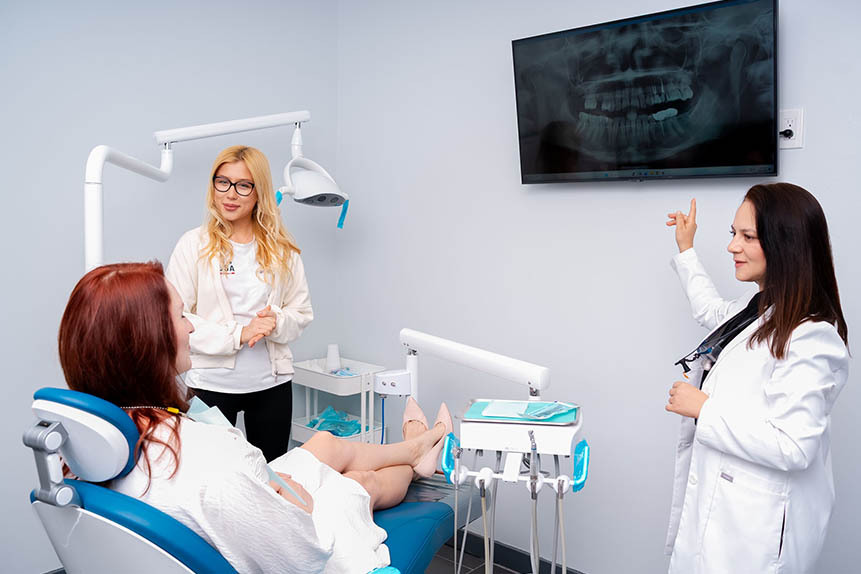
Dr. Dekhtyar and her team will examine your teeth, gums, and jawbone and use 3D imaging to determine whether mini dental implants are appropriate for you.
What Are the Benefits and Limitations of Mini Dental Implants?
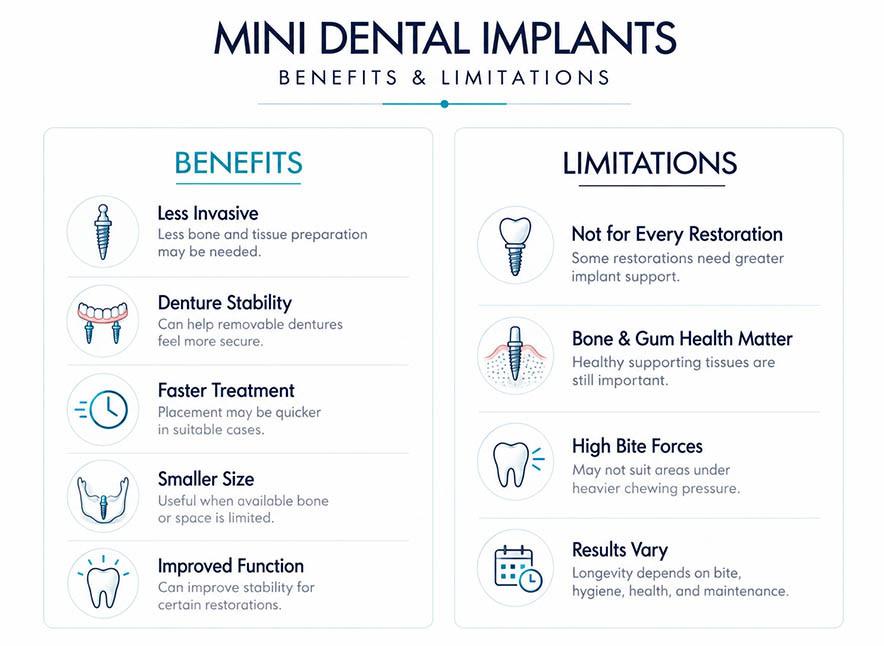
Mini dental implants can offer several advantages, but they are not the right choice for every patient.
Benefits may include:
- Less invasive placement. Their smaller size may require less tissue and bone preparation than traditional implants.
- Denture stability. Mini implants can help hold removable dentures more securely in place.
- Treatment time. Placement may be completed more quickly in suitable cases.
- Smaller size. They can be useful when space or bone volume is limited.
- Restored function. They can improve the stability and function of certain dental restorations.
Limitations may include:
- Not suitable for every restoration. Mini implants may not provide enough support for certain larger or more demanding restorations.
- Bone and gum health still matter. Limited bone or untreated gum disease may affect your candidacy.
- Durability. Their smaller diameter may make them less suitable for areas exposed to high biting forces.
- Individual results vary. The success and longevity of treatment depend on factors such as oral hygiene, bite forces, overall health, and proper maintenance.
At Dental Pearl, we always take the time to evaluate your oral health and treatment needs before recommending mini dental implants. We will explain the benefits and limitations and help you understand whether this option is right for you.
How Are Mini Dental Implants Planned?
Planning starts with detailed images of your teeth, gums, and jaw. At Dental Pearl, we use 3D dental imaging and digital intraoral scans to assess available bone and plan each implant’s position, depth, and angle. We also consider your bite, existing teeth, and planned restoration.
When guided surgery is appropriate, a computer-generated surgical guide can be created from your digital treatment plan. The guide helps direct implant placement according to the planned position for greater precision.
How Does the Mini Dental Implant Procedure Work?
The mini dental implant procedure is usually completed in a few straightforward steps:
- Preparation. The treatment area is numbed with local anesthesia to keep you comfortable.
- Implant placement. A small titanium implant is carefully placed into the jawbone through a small opening in the gum.
- Attachment. Once the implant is secured, an attachment can be connected to support the planned restoration.
- Restoration. Depending on your treatment plan, the implant may support a replacement tooth or help secure a removable denture.
Our team will explain each step beforehand and provide aftercare instructions to help you recover comfortably.
How Long Does Recovery Take After Mini Dental Implant Surgery?
Recovery after mini dental implant surgery is usually straightforward, with most patients returning to normal activities within a few days. Mild swelling, tenderness, or sensitivity around the implant site is common at first.
For a smoother recovery, you may need to:
- Eat soft foods for the first few days
- Keep the implant area clean as directed
- Avoid smoking and putting unnecessary pressure on the area
- Take any recommended medications as instructed
- Attend follow-up appointments to monitor healing
The implant will still need time to integrate with the surrounding bone before it can provide long-term support for your restoration. Your implant dentist will let you know when healing is sufficient for the next stage of treatment.
How Long Do Mini Dental Implants Last?
Mini dental implants can last 10 years or longer with proper care. Regular dental visits, good oral hygiene, and avoiding smoking can help extend their lifespan. Your bite, gum health, and surrounding bone can also affect how long they remain functional.
How Do You Care for Mini Dental Implants?
Caring for mini dental implants is similar to caring for your natural teeth. Brush twice a day, clean between your teeth and around the implant as directed, and maintain regular dental visits. Avoid smoking and follow any specific care instructions from your dentist. Good daily care helps protect the implant, gums, and surrounding teeth.
Mini dental implants may offer a practical option for replacing missing teeth or stabilizing dentures. At Dental Pearl, our experienced dental team uses advanced technology and personalized treatment planning to help you find the right solution. Contact us today to schedule your consultation and learn if mini dental implants are right for you.
Dental Pearl Miami14771 Biscayne Blvd.,
North Miami Beach, FL 33181
(305) 816-6620
Updated on by Dr. Ella Dekhtyar, DDS (Cosmetic & Family Dentist) of Dental Pearl Miami