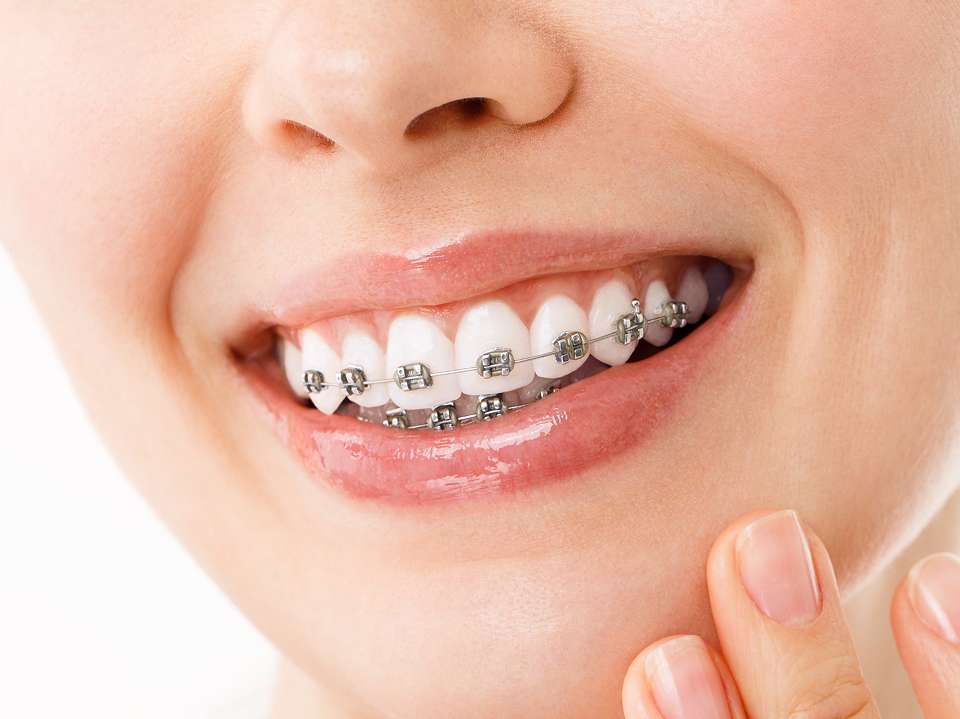

Orthodontics is the use of fixed or removable appliances that are custom-designed to straighten teeth. Treatment can correct numerous problems with how teeth are aligned or bite together, and is suitable for children, teens, and adults with teeth that are generally strong, healthy, and free of infection and decay.
Orthodontic treatment can correct numerous issues of misalignment that include:
Most people in North Miami Beach seek orthodontic treatment to improve the appearance of their teeth. There is little doubt that a well-designed orthodontic plan can provide a straighter smile, helping to improve self-confidence and self-esteem.
However, it’s worth thinking about the other benefits of this treatment.
Teeth that are tightly packed in or overlapping, or which have unsightly spaces between them, are more prone to gum disease and tooth decay. Overcrowded teeth can be tricky to keep clean, and it can be hard to brush and floss thoroughly. Food can often become impacted in spaces between teeth.
Straightening teeth will make them easier to clean, improving oral hygiene and reducing the risk of oral disease.
Additionally, when teeth occlude or bite together properly, it helps to reduce the risk of jaw strain.
Your lower jaw is hinged to your skull by joints called temporomandibular joints. If you have a poor bite, it’s more likely these joints will come under stress and strain. They can become inflamed and painful, a condition called temporomandibular joint disorder (TMD).
A properly aligned bite reduces the risk of TMD.
Misaligned teeth can wear unevenly, because when you bite down, some teeth may meet together before others. Certain teeth may not be able to bite together at all.
Correcting misalignment problems can improve chewing and biting, making it easier to eat properly. It reduces excess wear and tear on teeth and ensures they and your jaws can function correctly.
There are many different orthodontic systems available, including:
These are the fixed metal braces often provided by a children’s orthodontist, but they are also suitable for adults. They consist of metal brackets bonded to the teeth, with arch wires attached to them. These are secured with elastics that are often brightly colored but can also be clear.
A kids' orthodontist will often recommend these braces because they are cost-effective and work efficiently. They can provide precise tooth movements that can correct more complex bite problems. Although adults can have fixed metal braces, there are other solutions available that are far more discreet and more modern.
All of our surgical procedures are carried out using the strictest infection controls to reduce the risk of infection, and we will prescribe antibiotics when needed.
Clear braces can provide very precise tooth movements, but they are more expensive than traditional metal braces, and the brackets are more fragile and easier to break.
Clear aligner therapy is an extremely popular adult orthodontic treatment, and one of the most well-known systems worldwide is Invisalign. It uses clear plastic aligner trays that are custom-made to apply the right amount of force to specific teeth, helping them begin to move into the right positions.
Treatment is popular because it is minimally disruptive to everyday life, and once the aligners are in your mouth, they are virtually invisible.
Children can begin receiving orthodontic treatment as early as age five or six. If we think your child will benefit, we will recommend that they see a pediatric orthodontist for a full evaluation.
Early interceptive orthodontics can be provided by a kids orthodontist using appliances such as pedestal expanders and space maintainers. This approach can help avoid the need for braces during their teens or may reduce the time needed to perfect their smile.
Wearing braces during the teenage years is often seen as a rite of passage. Usually, a children’s orthodontist will use traditional metal braces to correct a teen's teeth. However, clear aligner therapy is becoming increasingly common for teens.
This is due to the introduction of Invisalign Teen, a system especially created for teenagers. It includes several modifications to accommodate teeth yet to erupt and can be designed to correct most common orthodontic issues, including more complex ones.
Everyone’s experience will be different, and largely depends on the orthodontic system used.
Treatment begins with a consultation with the best orthodontist you can find locally. They will evaluate your bite, discuss your treatment goals, and take digital scans, photos, and dental impressions.
These diagnostic images are used to create your custom plan. This will be discussed with you in full and will include all options we believe will provide the best outcome, the estimated timeline, and, of course, the costs.
With Invisalign, you can preview virtual images of how your teeth are expected to look upon completion of treatment.
Once your plan is finalized, you begin wearing your braces or aligners. We will provide full information on how to keep your mouth clean, and any dietary advice if you have fixed braces. Invisalign does not require any dietary restrictions.
Regular checkups are important during treatment. If you have fixed braces, these will need to be adjusted and tightened. If you have clear aligners, we will check how your treatment is progressing and provide additional sets as needed.
This continues until your teeth are straightened.
Once you complete treatment, you must wear retainers. These are not generally designed to move teeth, but instead retain them in their new positions. Retainers can be fixed or removable.
Treatment generally takes 1 to 2 years, but this can vary depending on the complexity of the tooth movements required. For example, if you only need cosmetically oriented treatment to straighten your front teeth, you may complete treatment within a few months.
Some discomfort is to be expected during treatment because your teeth are being moved through the gums and bone. However, your treatment shouldn’t be painful, and any discomfort should be easily controlled with over-the-counter pain relief.
If it does feel painful, we can always adjust your plan to help you feel more comfortable.
There is no upper age limit for having your teeth straightened. When you come to see us at Dental Pearl, we are more concerned about your dental health than your age.
Adult orthodontics is becoming increasingly popular, and many adults are receiving treatment alongside their children or even their grandchildren.
If your orthodontic treatment will improve your oral health, at least part of the costs will likely be covered. The percentage covered may depend on your plan and the system chosen.