
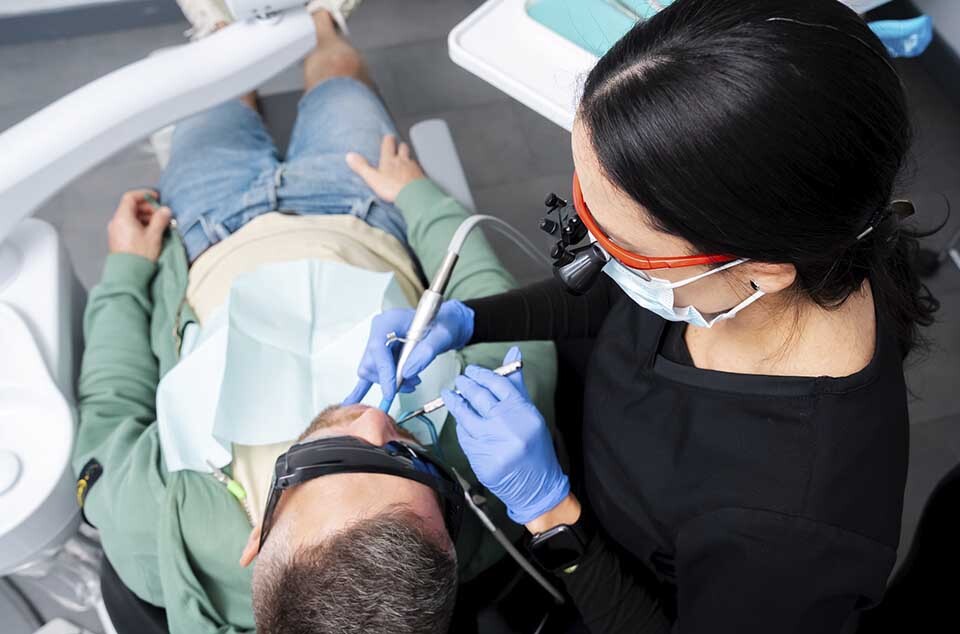

What Is Tooth Decay
When your teeth are healthy, they have a strong, durable layer of enamel protecting them. However, this enamel can become damaged, allowing bacteria in dental plaque to enter the tooth.
Dental plaque is a sticky film that continually forms over tooth surfaces. Everyone has dental plaque, and the bacteria in plaque can cause problems.
These bacteria produce acid that quickly begins to erode the dentin beneath the tooth enamel. Dentin is much softer and more easily damaged, so a cavity develops before long.
Once damaged, dentin and tooth enamel cannot regenerate, and without treatment, the cavity will continue to deepen, potentially causing an infection of the tooth and toothache.
Common Causes of Tooth Decay
Common causes of cavities can include the following.
- Poor Oral Care
Brushing and flossing regularly are important for removing plaque that causes tooth decay and prevents gingival bleeding or tooth infection. If you don’t brush and floss regularly, plaque hardens into calculus or tartar within a couple of days.
The bacteria in plaque and tartar produce acids that gradually erode tooth enamel, eventually causing cavities.
- Frequent Snacking or Poor Dietary Choices
If you eat a lot of sugary foods, then the leftovers feed the harmful bacteria in dental plaque, allowing them to thrive and produce more acid that will damage your tooth enamel.
The situation is worsened if you like to snack between meals on sugary foods. This is because your mouth remains acidic for up to an hour after eating, increasing the time your teeth are exposed to harmful acids.
- Dry Mouth
Xerostomia, or dry mouth, is a common problem, especially among people who take over-the-counter or prescription medications, as it is a frequent side effect.
A drier mouth allows bacteria to thrive, increasing the risk of cavities.
- Inadequate Fluoride
Fluoride is a naturally occurring mineral that helps harden tooth enamel. It helps decrease the risk of cavities.
- Crooked or Tightly Packed in Teeth
Misaligned teeth can be harder to keep clean. It is much more difficult to brush and floss thoroughly, increasing the risk of dental problems like tooth decay.
- Cracks and Chips in Teeth
A small crack or chip in a tooth might seem like a minor problem, but it can allow harmful bacteria to penetrate the tooth more easily. Even a small crack can open slightly when you bite down.
Early Signs and Symptoms of Cavities
When a cavity is developing, it can cause few, if any, symptoms. However, as it progresses, you may notice some of the following signs.
- Increasing tooth sensitivity.
- Mild toothache.
- White or brown spots on teeth.
- Visible cavities.
- Food is becoming impacted in the same place.
- An unpleasant taste or bad breath.
These symptoms can be an early sign of a cavity, so it is important not to ignore them. A dental exam can identify tooth decay and help prevent it from progressing.
When Tooth Decay Becomes Serious
If you have a cavity, you need to see a dentist. You cannot cure tooth decay at home. Signs of a more serious cavity include:
- A persistent toothache.
- Pain when biting or chewing.
- A large visible cavity in a tooth.
Without proper dental care, the infection will continue to develop and eventually reach the central part of the tooth, the dental pulp.
At this point, you will likely have a severe toothache, and the infection can spread beyond the tooth and into the surrounding gum and bone. There is a risk that you could eventually lose the tooth.
If you think you have tooth decay, contact Dental Pearl. We can soon arrange an appointment with one of our dental team.
How We Diagnose Tooth Decay
Diagnosing tooth decay is a straightforward process and includes:
- Visual Examination
A visual examination of the tooth, and we may gently probe it for any soft spots.
- Digital Diagnostics
Digital dental X-rays allow us to see the extent of the cavity. They are especially useful if a cavity is developing between your teeth and isn’t visible to the naked eye.
- Custom Treatment Plan
After diagnosing a cavity, we can provide a custom plan outlining the treatment we recommend to repair the tooth.
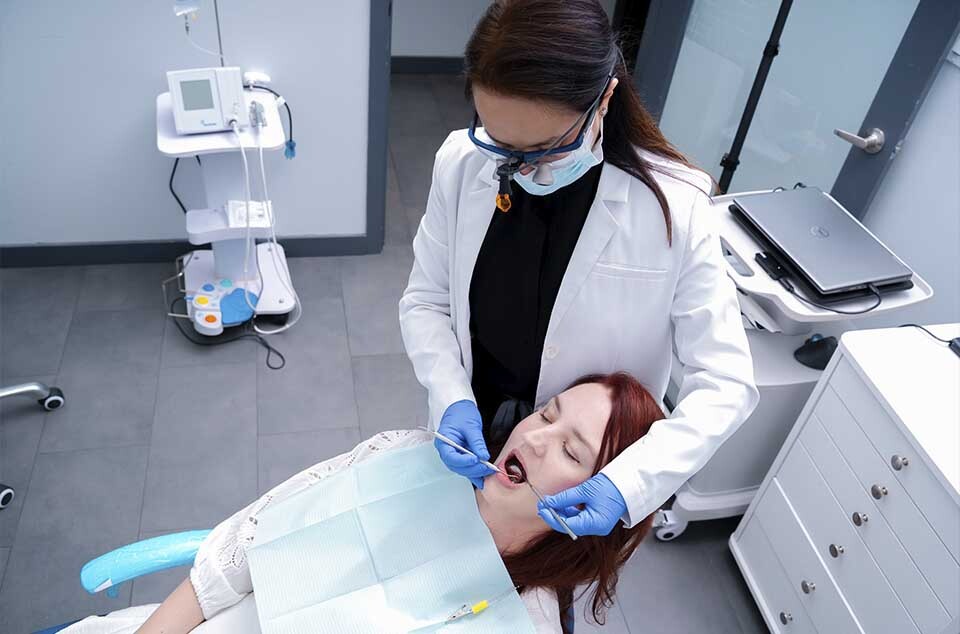
Tooth Decay Treatment in North Miami Beach
The option we recommend will depend on the extent of the cavity. Below are some of the solutions we can provide.
Early-Stage Decay
If you have the earliest signs of tooth decay, where tooth enamel has begun to soften but a cavity has yet to develop, we may recommend a professional fluoride treatment.
Applications of professional-strength fluoride help re-harden tooth enamel and can reverse the earliest signs of cavities.
Another option is to use dental sealants. These are used to protect the chewing surfaces of back teeth and to seal them completely. Sometimes dental sealants can trap harmful bacteria, preventing further damage, but this treatment is not always suitable.
Usually, dental sealants are applied as a preventive treatment to healthy teeth without any signs of decay.
Mild to Moderate Decay
Small to medium-sized cavities in teeth can often be repaired with tooth-colored fillings. These are made from composite resin and are nearly invisible.
We may recommend the same material to mend small cracks and chips in teeth, a process called dental bonding.
Advanced Tooth Decay
More advanced tooth decay has likely damaged much of the original tooth structure. Therefore, a larger filling, such as an inlay or onlay, is needed, or we may recommend covering the tooth entirely with a dental crown.
Severe Tooth Decay
If the cavity has reached the dental pulp, you will need root canal therapy to remove the infection. Afterward, we seal the tooth and place a dental crown that covers it entirely and protects it.
Unfortunately, some severely infected teeth cannot be saved and may need to be removed. We only extract teeth after exploring all possible options to save and restore them.
Tooth Decay in Children
Young children may be more prone to tooth decay, and small or short teeth can make proper cleaning even more important.
Baby or primary teeth are vital during development, enabling young children to learn to speak clearly and to eat a varied, nutritious diet. These teeth also help adult teeth by holding open the correct amount of space so they can erupt normally, reducing the risk of orthodontic problems.
These are some of the reasons we recommend early dental visits for our youngest patients, during which we can discuss strategies to help prevent cavities. This may include dietary advice and information on preventive options such as fluoride and dental sealants.
How to Prevent Tooth Decay
Tooth decay is preventable with the right oral care, and everyone visiting Dental Pearl receives a custom treatment plan to minimize the risk of cavities.
Simple tips to follow include:
- Following a proper brushing and flossing routine.
- Using fluoride toothpaste, preferably a brand that has received the American Dental Association seal of approval.
- Making healthy diet choices and not snacking between meals on sugary foods.
- Attending regular dental exams and hygiene appointments.
With the right ongoing preventive dental care routine, we can help you and your family maintain strong, healthy teeth and reduce your risk of cavities.
Cavities and Tooth Decay Frequently Asked Questions
How Can I Tell If I Have a Cavity?
Cavities may cause tooth pain, sensitivity to hot or cold foods and drinks, small pits or openings in the enamel, or dark spots on a tooth. However, decay does not always cause noticeable symptoms, which is why regular dental exams are important.
How Long Does It Take to Treat a Cavity?
Treatment time depends on the cavity’s size and location. A simple filling can often be completed in about 30 to 60 minutes.
Will Getting a Cavity Filled Hurt?
Most fillings are performed comfortably with local anesthesia and modern dental techniques. You may have some mild sensitivity or tenderness after the numbness wears off, but this usually resolves on its own.
What Should I Do If I Suspect I Have Tooth Decay?
Schedule a dental appointment if you notice tooth sensitivity, pain, discoloration, or other changes. Treating decay early can help prevent it from spreading and requiring more extensive treatment.
Can a Cavity Heal Without Treatment?
No. Once a permanent cavity has formed, it cannot repair itself. Professional treatment, such as a filling, is generally needed to remove the damaged tissue and stop the decay from progressing.
How Frequently Should I Visit the Dentist?
Many patients benefit from dental exams and professional cleanings every six months. Your dentist can recommend a schedule based on your oral health and risk of developing cavities or other dental problems.
Is Fluoride Appropriate for Children?
Yes. When used correctly, fluoride helps strengthen developing teeth and protect them from decay. Your dentist can recommend appropriate fluoride products or treatments based on your child’s age and oral health.
How Can Older Adults Prevent and Manage Cavities?
Cavities can become more common with age, particularly around exposed roots and near the gumline. Regular dental visits, good daily oral hygiene, and personalized preventive care can help protect your teeth and gums. Your dentist can adjust recommendations based on your needs.
Do Cavities in Baby Teeth Need to Be Treated?
Yes. Baby teeth help children chew, develop properly, and maintain space for permanent teeth. Untreated decay can cause pain or infection and may affect developing adult teeth, so timely treatment is important.
Can I Have a Cavity Without Experiencing Pain?
Yes. Early tooth decay often causes no symptoms. Regular dental exams can help identify cavities before they become painful or require more extensive treatment.
Is Extracting a Tooth Better than Repairing a Cavity?
Usually, preserving your natural tooth is preferred whenever it can be restored reliably. A filling or other restorative treatment can preserve chewing function and support long-term oral health. Extraction may be considered when the tooth cannot be predictably repaired.
Tooth decay can lead to pain, infection, and even tooth loss if left untreated. At Dental Pearl Miami, we offer comprehensive care to stop decay and restore your smile. Call (305) 816-6620 or schedule your dental appointment today for healthier teeth.
Dental Pearl Miami14771 Biscayne Blvd.,
North Miami Beach, FL 33181
(305) 816-6620
Updated on by Dr. Ella Dekhtyar, DDS (Cosmetic & Family Dentist) of Dental Pearl Miami